Stay Updated with the Latest Trends
Your go-to source for beauty tips, industry news, and clinic updates
Types of facelift surgery
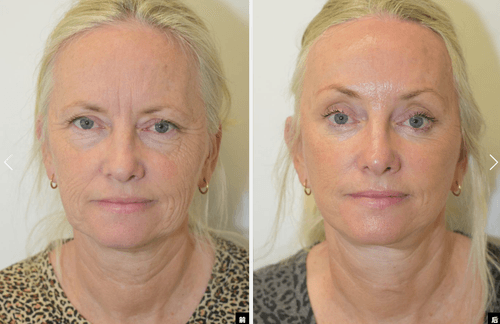
A facelift works on the SMAS fascia layer and deeper ligaments—structures that anchor facial soft tissues to the underlying bones. These ligaments weaken with age, leading to facial sagging. Effective facelift techniques directly address these tissue layers. Facelifts that rely solely on skin tension have less lasting results and are more likely to leave surgical scars because the underlying structural causes of sagging are not addressed.
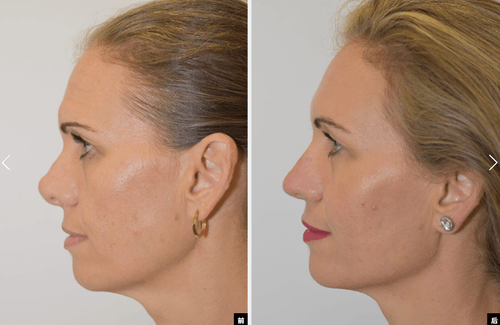
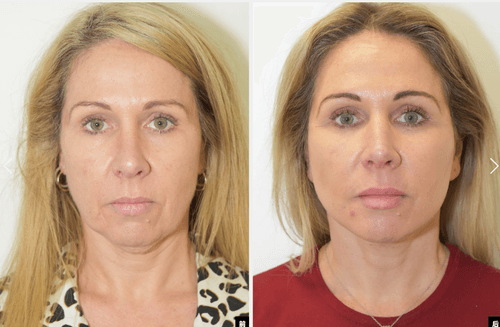
A facelift is ideal for improving issues such as jawline laxity, neck and platysma muscle laxity, mid-facial soft tissue sagging, and deepening nasolabial folds. However, it cannot improve skin texture, pigmentation, fine lines, or changes around the eyes—these issues require separate evaluation and treatment.
Deep facelift
This procedure works beneath the SMAS fascia, releasing the ligaments in the cheeks, jawline, and neck, and repositioning the facial tissues as a whole. Because the lift is achieved by moving deep fibrous muscle tissue rather than stretching elastic skin, the results are more lasting and the appearance is more natural. Dr. Ross uses this as his primary facelift technique.
SMAS facelift
The SMAS layer is tightened by suturing (fold sutures) or by lifting and advancing the SMAS layer from the covering skin. This is a widely used technique with good results in suitable patients. Ligaments are typically not released, which limits the extent of midface repositioning.
Mild plastic surgery
Minimally invasive facelift surgery is a less traumatic procedure with shorter scars, suitable for younger patients with good skin elasticity and mild sagging. It can improve early-stage jawline laxity. While its effects are not as comprehensive as a full facelift, the recovery period is shorter. Patient selection is crucial—not everyone who consults about minimally invasive facelift surgery is a suitable candidate.
What can a 9L facelift bring you?
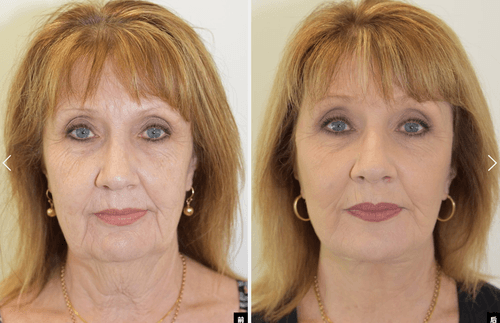
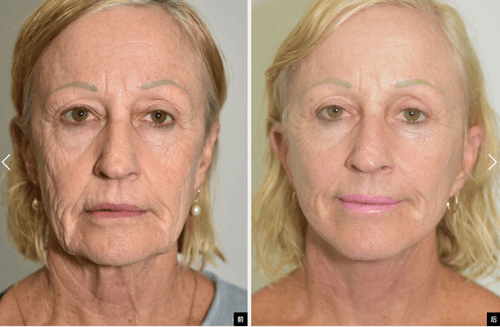
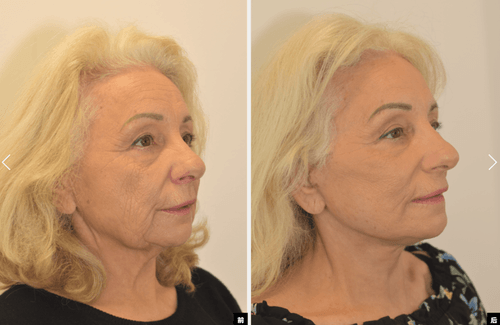
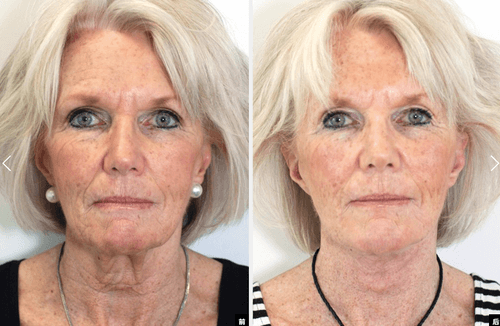
A 9L facelift is more than just a facelift. While lifting the face, it removes excess fat and loose skin, resulting in a smoother facial contour, a more defined jawline, and a flatter mid-face. It eliminates signs of fatigue, makes you look 20 again, and boosts your confidence, making you more energetic.
Frequently Asked Questions
Your questions about cosmetic procedures, recovery times, and consultations answered clearly and honestly.
How long does the surgery take?
The assessment depends on the severity of your facial aging, and generally takes 1-4 hours.
Is general anesthesia required for the surgery?
Both local and general anesthesia can be performed, depending on the client's plan and preferences. Hospitals have dedicated anesthesiology departments.
Is there an incision during the surgery?
Both incision and minimally invasive methods are available; specific advice will be given based on an assessment of the degree of your sagging and drooping.
Will there be any scars after the surgery?
The minimally invasive method involves only a few needle pricks, which are completely invisible after recovery. The method with incisions is done in concealed areas such as the hairline and the edge of the ear, and is also completely undetectable after recovery.
How long is the recovery period after surgery?
Incisional methods can maintain results for over 20 years, while minimally invasive methods can maintain results for over 10 years.
Is the surgery safe?
The surgical procedure is completely safe. The hospital has an independent anesthesiology department, and at least five medical staff are present throughout all surgeries to ensure safety.

Get in Touch
Thinking about a transformation? Reach out, and let's make it happen together!
No. 373, Panzhong Road, Xujing Town, Qingpu District, Shanghai, China
Hospital Name: Shanghai Shengya Medical Aesthetics Hospital星期一至星期五10am-5pm,星期六1pm-5pm+8613248150438